





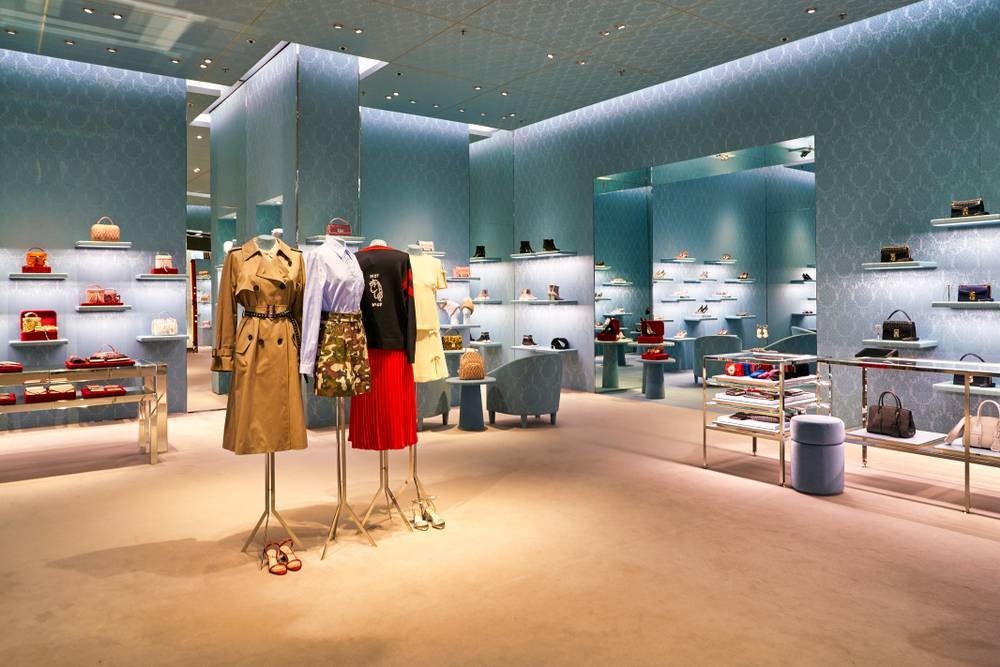
Designer brands have become symbols Luxury Fashion Brands of elegance, quality, and prestige in the modern fashion world. From luxury handbags and premium clothing to stylish footwear and accessories, designer labels shape global trends and influence how people express themselves through fashion. Whether it is timeless sophistication or bold modern creativity, designer brands continue to dominate the luxury market and attract millions of loyal customers worldwide.
What Are Designer Brands?
Designer brands are fashion labels created by renowned designers or luxury fashion houses known for their exclusive products, superior craftsmanship, and premium materials. These brands are often associated with high fashion, celebrity culture, and elite lifestyles. Unlike mass-market clothing companies, designer brands focus on originality, attention to detail, and limited collections that make their products more desirable.
Luxury fashion labels usually offer a wide range of products including clothing, handbags, shoes, watches, jewelry, perfumes, and accessories. Their collections are often showcased at international fashion weeks in cities like Paris, Milan, London, and New York.
The Rise of Luxury Fashion
The popularity of designer brands has grown significantly over the last few decades. Social media, celebrity endorsements, and digital marketing have made luxury fashion more visible and accessible to global audiences. Consumers no longer see designer products as simple fashion items; they view them as status symbols and lifestyle investments.
Luxury brands also benefit from their rich history and heritage. Many famous fashion houses were established over a century ago and have maintained their reputation through innovation and quality craftsmanship.
Most Popular Designer Brands in the World
Several designer brands stand out for their global influence and iconic collections. Here are some of the most recognized names in luxury fashion:
Gucci
Gucci is one of the most famous Italian luxury brands known for its bold designs, premium leather goods, and fashionable clothing. The brand combines classic elegance with modern streetwear influences, making it highly popular among younger fashion enthusiasts.
Louis Vuitton
Louis Vuitton is globally recognized for luxury travel bags, handbags, and accessories. The brand’s signature monogram pattern has become a symbol of sophistication and wealth. Louis Vuitton products are admired for their durability and timeless appeal.
Chanel
Chanel represents classic French elegance and timeless fashion. Famous for its handbags, perfumes, and tweed jackets, the brand remains one of the most respected names in the luxury industry. The Chanel No. 5 perfume is considered one of the most iconic fragrances ever created.
Prada
Prada is known for minimalist luxury and innovative fashion designs. The Italian brand is especially popular for its handbags, shoes, and ready-to-wear collections that blend simplicity with sophistication.
Burberry
Burberry is a British luxury fashion house famous for its iconic trench coats and signature check pattern. The brand successfully combines traditional British style with modern fashion trends.
Dior
Dior is celebrated for elegant haute couture collections, luxury cosmetics, and premium accessories. The brand continues to influence global fashion with its refined and artistic designs.
Why Designer Brands Are Expensive
Designer products often come with high price tags, and several factors contribute to their cost:
Premium Materials
Luxury brands use high-quality fabrics, genuine leather, precious metals, and expert craftsmanship to create durable and visually stunning products.
Brand Heritage
Many designer labels have decades or even centuries of history, adding prestige and exclusivity to their products.
Limited Production
Unlike fast fashion companies, designer brands produce limited collections to maintain exclusivity and demand.
Craftsmanship
Luxury items are often handmade or carefully crafted by skilled artisans who focus on every detail.
Marketing and Celebrity Influence
Designer brands spend heavily on advertising campaigns, celebrity endorsements, and fashion shows that elevate their image and global recognition.
Designer Brands and Modern Fashion Trends
Designer labels heavily influence current fashion trends. From oversized jackets and luxury sneakers to minimalist handbags and sustainable fashion, luxury brands often lead the direction of the global fashion industry.
In recent years, many designer brands have embraced streetwear culture by collaborating with artists, musicians, and sportswear companies. These partnerships attract younger consumers and create limited-edition products that quickly become highly sought after.
Sustainability has also become a major focus for luxury fashion houses. Many brands are adopting eco-friendly materials, ethical production methods, and sustainable packaging to meet the demands of environmentally conscious consumers.
Online Shopping for Designer Brands
The rise of e-commerce has transformed the luxury shopping experience. Consumers can now purchase authentic designer products online from official brand websites and trusted luxury retailers. Online platforms offer convenience, global shipping, and access to exclusive collections.
However, buyers should remain cautious about counterfeit products. Fake designer items are common in online marketplaces, making it essential to shop only from verified sources. Authentic luxury products usually include certificates, premium packaging, and detailed craftsmanship.
Investment Value of Designer Products
Many luxury items retain or even increase their value over time. Certain designer handbags, watches, and limited-edition collections are considered investment pieces because of their rarity and high demand. Some collectors purchase luxury fashion items not only for style but also as long-term assets.
Classic handbags from brands like Chanel, Louis Vuitton, and Hermès often appreciate in value, especially when maintained in excellent condition.
The Future of Designer Brands
The future of designer brands looks promising as luxury fashion continues to evolve with technology and consumer preferences. Digital fashion shows, virtual shopping experiences, and artificial intelligence are changing how people interact with luxury products.
Younger generations are also redefining luxury by prioritizing individuality, sustainability, and inclusivity. Designer brands that successfully adapt to these values will continue to thrive in the competitive fashion industry.
Conclusion
Designer brands represent far more than clothing and accessories. They symbolize creativity, luxury, craftsmanship, and personal identity. From iconic handbags and stylish apparel to innovative fashion trends, luxury labels continue to shape the global fashion landscape.
As fashion evolves, designer brands remain powerful symbols of elegance and prestige. Whether purchased for style, quality, or investment purposes, luxury fashion continues to captivate consumers around the world and maintain its influence across generations.



More Stories
Abendmoden: Eleganz und Stil für besondere Anlässe
Shawl Collar Cardigan: Elevating Everyday Fashion with Effortless Elegance
AMIclubwear: Exploring Trends, Affordability, and Online Fashion Culture