





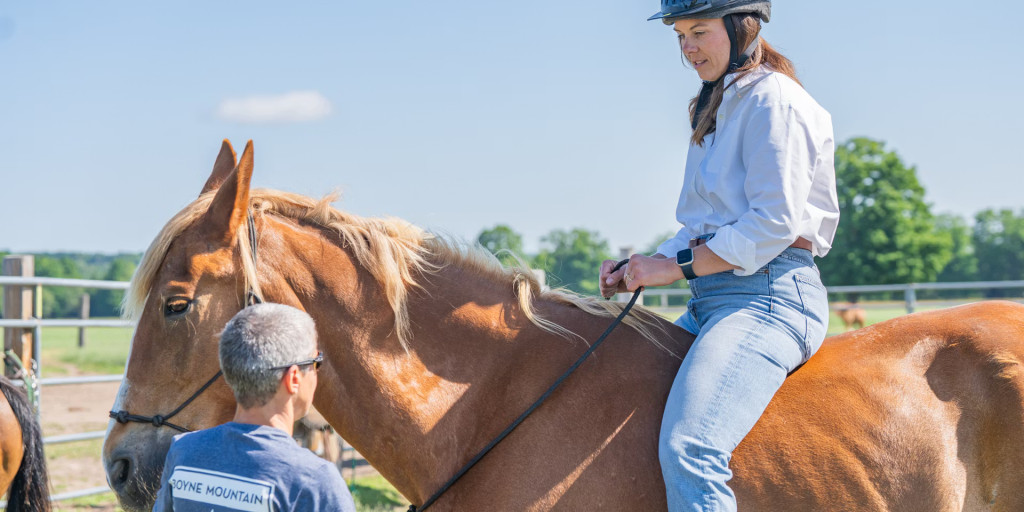
Horseback riding is a popular activity enjoyed around the world for recreation, sport, and relaxation. The keyword “horseback riding” refers to the practice of riding horses for pleasure, competition, work, or therapy. With a history that dates back thousands of years, horseback riding remains one of the most unique ways to connect with animals and experience the outdoors.
One of the main appeals of horseback riding is the deep bond it creates between humans and horses. Riders must learn to communicate with their horse through body language, voice commands, and gentle cues. This partnership builds trust and understanding, making horseback riding both a physical and emotional experience.
For many beginners, horseback riding starts with learning the basics of safety and control. Proper riding posture, balance, and rein handling are essential skills. Riders are also taught how to mount and dismount safely, guide the horse, and maintain control in different environments. Riding schools and instructors play an important role in helping new riders develop confidence and competence.
Horseback riding is also an excellent form of physical exercise. It engages core muscles, improves balance, and strengthens coordination. Even though the horse does most of the movement, riders must constantly adjust their posture and maintain stability. This makes horseback riding a full-body activity that improves fitness over time.
There are several styles of horseback riding, each with its own techniques and traditions. English riding is commonly used in competitive sports such as show jumping and dressage, focusing on precision and control. Western riding, often associated with ranch work and rodeos, emphasizes comfort, endurance, and practical handling of cattle. Both styles offer unique experiences for riders of different interests.
Trail riding is one of the most popular forms of horseback riding for recreational riders. It involves riding horses through natural environments such as forests, mountains, beaches, and open fields. Trail riding allows people to enjoy nature at a relaxed pace while experiencing the peaceful rhythm of horseback travel.
Horseback riding is also widely used in competitive sports. Events such as show jumping, dressage, eventing, and rodeo competitions require advanced skill, training, and coordination between horse and rider. These competitions highlight the athletic ability of both the rider and the horse, making equestrian sports highly respected worldwide.
In addition to recreation and sport, horseback riding is used for therapeutic purposes. Equine-assisted therapy helps individuals with physical, emotional, or developmental challenges. The movement of the horse can improve motor skills, balance, and coordination, while interaction with the animal can reduce stress and promote emotional healing.
Safety is an important consideration in horseback riding. Riders are encouraged to wear helmets, boots, and appropriate riding gear to reduce the risk of injury. Proper training and supervision are especially important for beginners and children. Horses must also be well-trained and properly cared for to ensure safe riding experiences.
Horse care is closely connected to horseback riding. Riders and owners must understand feeding, grooming, stable maintenance, and veterinary care. A healthy and well-cared-for horse performs better and provides a safer riding experience. Building a strong relationship with the horse is essential for long-term success in riding.
Modern horseback riding facilities, such as equestrian centers and riding schools, provide structured environments for learning and practice. These facilities offer trained instructors, safe equipment, and well-maintained horses for riders of all levels. Many centers also host lessons, camps, and competitions for enthusiasts.
Horseback riding continues to grow in popularity because it combines adventure, relaxation, and skill development. Whether riding for leisure, sport, or therapy, individuals find horseback riding to be a rewarding and memorable experience that strengthens both body and mind.
In conclusion, horseback riding is a timeless activity that offers physical benefits, emotional connection, and outdoor enjoyment. The keyword “horseback riding” represents a rich tradition that continues to thrive in modern times. From beginners learning basic skills to advanced riders competing in equestrian sports, horseback riding provides a unique and fulfilling way to engage with nature and animals.




More Stories
Why Investors Choose Dustin Rennie for Belize Real Estate Opportunities and Development Projects
How a Furniture Marketplace Actually Works: Showroom Floor, Website, and Everything Between
VOOPOO ARGUS G3 Mini 1350mAh – A Compact Pod System with Long Battery Life and Smart Performance