





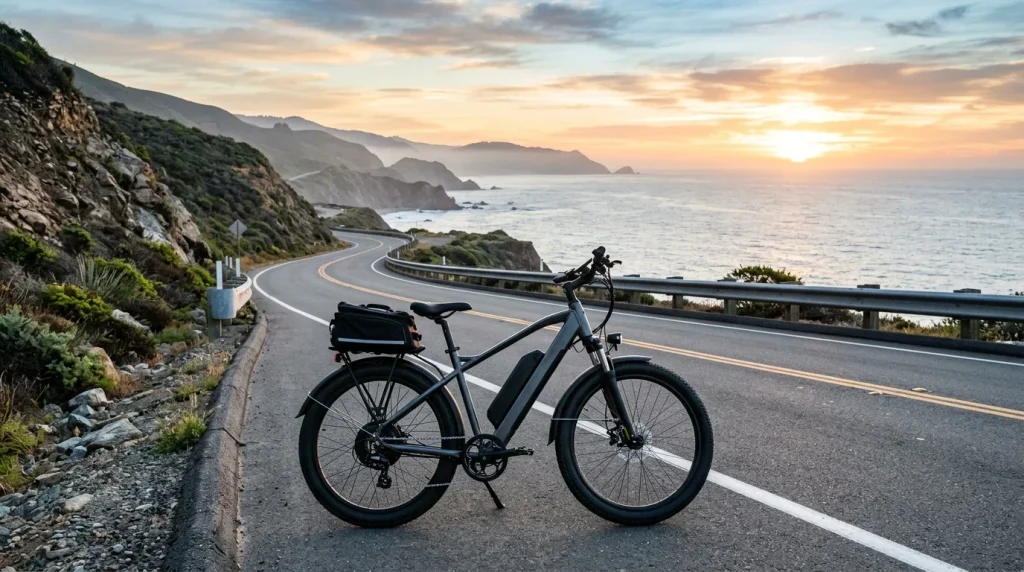
Daily commuting can become challenging when people have to deal with traffic congestion, crowded public transportation, rising transportation expenses, and limited parking spaces. For many adults, cycling offers a practical alternative, but traditional bicycles may require considerable physical effort, especially when traveling longer distances or navigating busy urban roads. This is where electric bicycles can make a difference.
A commuter electric bike combines traditional cycling with battery-powered assistance, making everyday journeys more convenient and manageable. Whether traveling to work, visiting local shops, attending appointments, or exploring nearby neighborhoods, an electric bicycle can provide additional flexibility while reducing the effort required for regular cycling.
For riders exploring different options, a YVY commuter ebike collection offers a useful starting point for discovering city-focused electric bicycles. Understanding the available configurations and comparing their specifications can help buyers identify a model that suits their daily transportation requirements.
Why Are Commuter Electric Bikes Becoming Popular?
Electric bicycles are becoming an attractive transportation option because they combine convenience, flexibility, and cycling assistance. Unlike conventional bicycles, electric models use a motor and rechargeable battery to provide additional support while riding.
One of the main advantages is reduced physical effort. Pedal-assist technology helps riders maintain movement without relying entirely on their own strength. This can be particularly useful when traveling uphill, covering longer distances, or commuting several times a week.
Another advantage is flexibility. Riders can use an electric bicycle for short neighborhood trips, regular commuting, shopping, and recreational journeys. Depending on local regulations and the bicycle’s configuration, some models may offer different assistance modes.
Electric bicycles can also reduce dependence on cars or other motorized transportation for suitable short journeys. However, their practicality depends on road conditions, safe cycling infrastructure, available charging facilities, and individual travel requirements.
What Makes a Good Commuter Electric Bike?
Not every electric bicycle is designed for daily urban transportation. A suitable commuter model should balance comfort, practicality, battery performance, handling, and convenience.
Before purchasing, consider the following features.
1. Battery Capacity and Daily Travel Distance
Battery capacity is one of the most important factors when choosing an electric bicycle for commuting.
It is generally measured in watt-hours (Wh), which indicate how much energy the battery can store. A larger battery may provide more potential riding range, although actual performance depends on several conditions.
These include:
- Total rider and cargo weight.
- Distance and elevation of the route.
- Selected pedal-assistance level.
- Riding speed and acceleration.
- Tire pressure and road surface.
- Weather and temperature conditions.
Before choosing a model, calculate your approximate daily travel distance. Consider both the outward and return journeys, rather than estimating only one direction.
For example, someone commuting 8 km each way may need to plan for approximately 16 km of daily riding. Additional battery capacity can provide useful flexibility when unexpected journeys arise.
2. Charging Convenience
Charging access is another important consideration for regular commuters.
If you can recharge your bicycle at home every evening, your battery requirements may differ from someone who needs to travel several days without convenient charging access.
Buyers should check whether the battery is removable, how long a full charge takes, and whether the charger is included with the bicycle.
A removable battery can be particularly convenient for people who live in apartments or work in buildings where storing an entire bicycle near an electrical outlet is difficult.
It is also worth checking battery replacement availability and warranty conditions before purchasing.
3. Comfort and Riding Position
Comfort becomes increasingly important when an electric bicycle is used every day.
Frame geometry, saddle design, handlebar positioning, and suspension all influence the overall riding experience.
An upright riding position may be preferable for people who want better visibility and a relaxed posture during urban journeys. However, individual preferences and body proportions should determine the final choice.
A properly adjusted saddle and handlebar position can reduce unnecessary strain and make longer commutes more comfortable.
Buyers should also check the manufacturer’s recommended rider height and maximum payload to ensure the bicycle is appropriate for their requirements.
4. Bicycle Weight and Portability
Bike weight can significantly affect everyday convenience.
A lighter bicycle may be easier to maneuver, park, and transport. This can be particularly important for commuters who need to carry their bicycle up stairs, use elevators, or store it in a limited space.
However, electric bicycles often weigh more than traditional bicycles because of their motors and batteries.
Before making a purchase, consider where the bicycle will be stored and whether you will need to lift it regularly.
5. Braking and Road Safety
Urban riding involves different challenges, including traffic, intersections, pedestrians, and sudden stops.
A dependable braking system is therefore essential.
Electric bicycles commonly use mechanical or hydraulic disc brakes. Both systems have different maintenance requirements and performance characteristics.
Buyers should examine the braking configuration fitted to the individual model rather than assuming every bicycle in a collection has the same components.
Additional safety features worth checking include front and rear lighting, reflectors, tire grip, and bell availability.
Choosing a City Electric Bike for Different Commuting Needs
A city electric bike can serve several transportation purposes, but different commuters have different priorities.
Understanding your daily routine can help you identify which features deserve the most attention.
Electric Bikes for Office Commuting
Office commuters often prioritize reliability, comfort, and sufficient battery capacity.
A suitable bicycle should support the regular journey without requiring excessive physical effort. It should also be convenient to park and store at home or near the workplace.
If you carry a laptop, documents, or other work-related items, consider whether the bicycle supports a compatible rack, basket, or storage accessory.
Buyers should verify the available mounting points and accessory compatibility before purchasing additional equipment.
Electric Bikes for Short City Trips
For people who primarily travel short distances, convenience may matter more than maximum battery capacity.
A manageable frame, comfortable riding position, responsive brakes, and straightforward charging arrangements can make everyday journeys easier.
A compact storage arrangement may also be useful for people living in apartments or houses with limited parking space.
Electric Bikes for Longer Urban Journeys
Commuters traveling longer distances should pay closer attention to battery capacity, charging time, riding comfort, and overall bicycle efficiency.
It is also helpful to consider whether charging facilities are available at the workplace or along the usual route.
A bicycle with a suitable battery configuration can make regular longer journeys more practical, provided the actual range meets the rider’s needs.
How to Choose the Right Commuter Electric Bike
Selecting the right bicycle becomes easier when you evaluate your requirements systematically.
Understand Your Daily Route
Start by identifying the distance between your home and your usual destinations.
Consider road conditions, traffic patterns, elevation changes, and the availability of safe cycling routes.
A flat urban route may require different features from a journey involving hills, rough roads, or mixed surfaces.
Consider Your Storage Requirements
Storage is often overlooked when purchasing an electric bicycle.
Before choosing a model, measure the available storage space at home or work. Consider whether you have access to a secure bicycle parking area.
If you need to carry the bicycle indoors, weight and overall dimensions should be important purchasing considerations.
Compare Available Configurations
Comparing several models helps you understand which specifications offer the most practical benefits.
The commuter electric bike options available in YVY’s city-focused collection provide a starting point for examining different electric bicycle configurations.
Pay particular attention to:
- Motor specifications and assistance system.
- Battery capacity and estimated riding range.
- Frame geometry and rider compatibility.
- Overall bicycle weight.
- Braking system and tire design.
- Available storage and accessory options.
Avoid selecting a model based solely on one specification. A bicycle with a larger battery, for example, may not necessarily be the most convenient option if its weight or frame design does not match your requirements.
Essential Accessories for Daily Electric Bike Commuting
The right accessories can make everyday cycling more convenient and organized.
A rear rack or compatible basket can help transport shopping bags, work supplies, and other everyday items. However, buyers should check the bicycle’s accessory compatibility and maximum load capacity.
A quality helmet is essential for rider protection. Front and rear lights, reflectors, and a bell can also improve visibility and awareness in busy urban environments.
Other useful accessories may include:
- A reliable bicycle lock.
- A waterproof bag or storage pouch.
- A phone holder designed for cycling.
- A tire repair kit and portable pump.
- A rain cover for suitable storage conditions.
The most useful accessories depend on your commuting routine and the equipment already included with your selected bicycle.
Maintaining Your City Electric Bike
Regular maintenance helps keep an electric bicycle dependable for everyday transportation.
Check tire pressure frequently because incorrect pressure can affect comfort, handling, and battery consumption.
Inspect the brakes to ensure they respond correctly, and examine the tires for visible damage or excessive wear.
The chain and drivetrain should be cleaned and lubricated according to the manufacturer’s instructions. Regularly check bolts, wheels, and other mechanical components.
Battery maintenance is equally important. Use the recommended charger, avoid extreme storage temperatures, and follow the manufacturer’s charging and storage guidelines.
It is also advisable to arrange professional servicing when necessary, particularly if you notice unusual motor behavior, electrical problems, or changes in braking performance.
Why Explore YVY City E-Bikes?
Choosing an electric bicycle becomes easier when buyers can explore models within a dedicated city-focused collection.
YVY’s city e-bike collection provides a shopping destination for people considering electric bicycles for daily transportation and urban riding.
Rather than selecting a model based only on appearance, shoppers can review the specifications of individual products and compare the configurations that matter most for their routines.
This approach is useful for evaluating battery capacity, motor details, frame design, and other available features.
Before purchasing, always consult the official product page for the latest specifications, available configurations, pricing, accessories, and warranty information. Product details may change, so the current listing should be treated as the reference for purchase decisions.
Final Thoughts
An electric bicycle can make daily city transportation more convenient by combining traditional cycling with battery-powered assistance. For commuters, the right model can offer a practical way to travel to work, visit local destinations, and enjoy recreational rides without depending entirely on conventional transportation.
However, choosing the right bicycle requires considering more than motor power or battery capacity. Daily travel distance, charging access, riding comfort, bicycle weight, storage arrangements, and safety features all influence long-term satisfaction.
By understanding these factors and comparing available configurations, buyers can make more informed decisions. Exploring YVY’s city electric bike collection is a practical starting point for discovering available options and identifying a bicycle that matches everyday commuting requirements.




More Stories
Complete Guide to Obtaining Your Travel Authorization for Cambodia
Restore Youthful Skin with Sculptra in Lexington
Error Detection and Correction for ACA Compliance with ACA-Track