




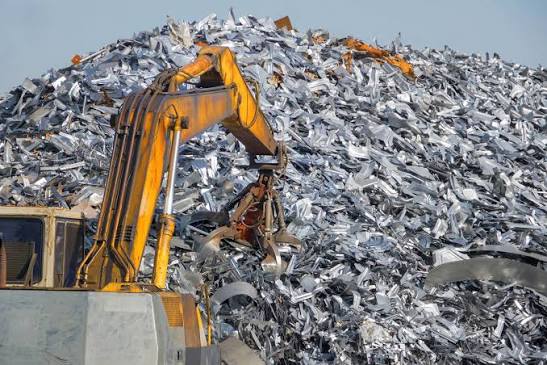
Metal recycling is an important part of responsible waste management and environmental protection. Instead of allowing unwanted metal items to end up in landfills, recycling gives valuable materials a second life. From old appliances and construction materials to aluminum cans and automotive parts, many metal products can be collected, processed, and reused.
One of the biggest advantages of metal recycling is the conservation of natural resources. Producing new metal often requires mining raw materials from the earth. Recycling existing metals reduces the demand for new mining and helps preserve valuable natural resources for future generations. For Lynchburg metal recyling contact BRC Co, Inc..
Recycling metal can also require less energy than producing metal from newly mined materials. Metals such as aluminum, copper, steel, and brass can often be processed and reused multiple times without losing their basic properties. This makes recycling an efficient way to support a more sustainable manufacturing system.
Another benefit is the reduction of landfill waste. Large metal objects can take up considerable space when discarded. By sending these materials to a recycling facility, homeowners and businesses can reduce the amount of waste going to landfills while recovering materials that still have economic value.
Metal recycling can also benefit businesses and individuals financially. Scrap metal may have resale value depending on its type, quality, and current market conditions. Construction companies, automotive businesses, manufacturers, and households can often collect unwanted metal and sell it to recycling facilities.
Before recycling metal, it is helpful to separate different materials when possible. Copper, aluminum, steel, brass, and other metals may be handled differently during processing. Removing non-metal components can also make the recycling process more efficient.
Choosing a reputable recycling facility is equally important. A professional recycler can explain accepted materials, sorting requirements, and preparation guidelines. Following these instructions helps ensure that recyclable metals are handled properly.
Overall, metal recycling is a practical way to reduce waste, conserve resources, save energy, and support a circular economy. By making responsible recycling part of everyday waste management, communities and businesses can contribute to a cleaner and more sustainable future.



More Stories
Using Ipe RainScreen Siding to Create a Contemporary Patio Exterior
DVR and NVR Data Recovery: How Long Is CCTV Footage Really Stored?
MacBook Air for Freelancers: Everything You Need to Know