




Thermal management is an essential part of many industrial operations. Manufacturing equipment, scientific instruments, electrical systems, and processing machinery generate or experience heat during normal operation. If this heat is not properly controlled, it can influence equipment performance, product quality, and operational safety.
Industrial facilities must therefore understand how heat moves through their systems and which engineering methods can help maintain suitable temperatures.
Effective thermal management involves material selection, insulation, ventilation, temperature monitoring, and equipment maintenance.
Understanding Heat Transfer in Industrial Applications
Heat transfer generally occurs through conduction, convection, and radiation. These mechanisms influence how energy moves between equipment components and surrounding environments.
Conduction occurs when heat moves through materials in direct contact. Convection involves heat transfer through moving fluids such as air or liquids. Radiation transfers thermal energy through electromagnetic waves.
Engineers must understand these processes when designing heating systems, cooling equipment, and thermal insulation arrangements.
The importance of each mechanism depends on the system configuration and operating environment.
The Contribution of Quartz Materials to Thermal Applications
Quartz materials are used in selected industrial systems where particular thermal characteristics and chemical properties are required. Fused silica and quartz glass can be suitable for specialized applications, although their performance depends on material quality and design specifications.
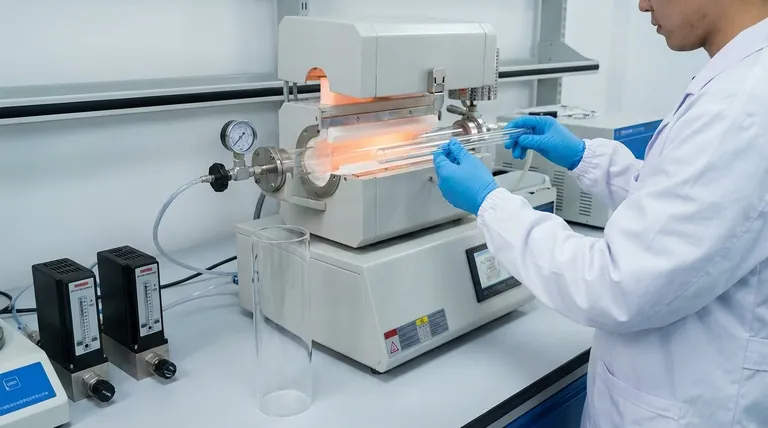
High Temperature Quartz Tubes for Laboratory Furnaces Rings may be considered in certain equipment configurations where heat-resistant components with specific dimensions are required. Engineers should evaluate operating temperatures, mechanical support, thermal cycling, and compatibility with surrounding materials.
Material selection should be based on verified technical information. No component should be assumed suitable for every high-temperature environment.
Improving Industrial Insulation
Insulation helps reduce unwanted heat transfer between equipment and its surroundings. Effective insulation can improve temperature stability and reduce energy consumption.
Manufacturers should consider thermal conductivity, operating temperature, material thickness, and environmental exposure when selecting insulation products.
Installation quality also matters. Gaps, damaged surfaces, and poorly fitted connections can reduce insulation performance.
Regular inspections help identify deterioration before it affects production conditions.
Monitoring Temperature During Operation
Accurate temperature monitoring helps operators maintain stable operating conditions. Industrial facilities commonly use sensors, digital controllers, and automated monitoring systems.
Sensors should be positioned according to the thermal characteristics of the equipment. Poor placement may produce readings that do not accurately represent the actual operating environment.
Calibration is also important because inaccurate measurements can lead to incorrect heating or cooling adjustments.
Modern monitoring systems can record operating data and alert employees when temperatures move outside established limits.
Preventing Thermal-Related Equipment Problems
Repeated heating and cooling can influence the condition of industrial components. Different materials may expand and contract at different rates, creating stress around connections and supporting structures.
Equipment designers should consider these effects when selecting materials and planning component arrangements.
Preventive maintenance can identify cracks, damaged insulation, loose connections, and other problems associated with thermal exposure.
Maintenance records help engineers understand equipment history and determine whether recurring issues require design changes.
Building More Energy-Efficient Industrial Systems
Energy efficiency is closely connected to thermal management. Uncontrolled heat loss can increase operating expenses and reduce production efficiency.
Businesses can improve performance through suitable insulation, accurate temperature controls, optimized heating schedules, and regular equipment maintenance.
Employees should understand how operating practices influence energy consumption. Correct equipment loading and appropriate temperature settings can prevent unnecessary energy use.
Companies may also conduct energy assessments to identify opportunities for further improvements.
Preparing for Changing Industrial Requirements
Industrial applications continue to become more specialized, creating additional requirements for thermal control and material performance.
Manufacturers should regularly review equipment specifications, production conditions, and maintenance procedures. Engineering teams can use operational data to identify opportunities for improvement.
Effective thermal management requires coordination between equipment design, material selection, monitoring technology, and employee knowledge.
Businesses that invest in these areas can improve equipment reliability, maintain consistent production conditions, and manage industrial energy consumption more effectively.



More Stories
Official Phone Warranty in BD: What Does “1-Year Brand Warranty” Actually Cover?
Using Ipe RainScreen Siding to Create a Contemporary Patio Exterior
DVR and NVR Data Recovery: How Long Is CCTV Footage Really Stored?