




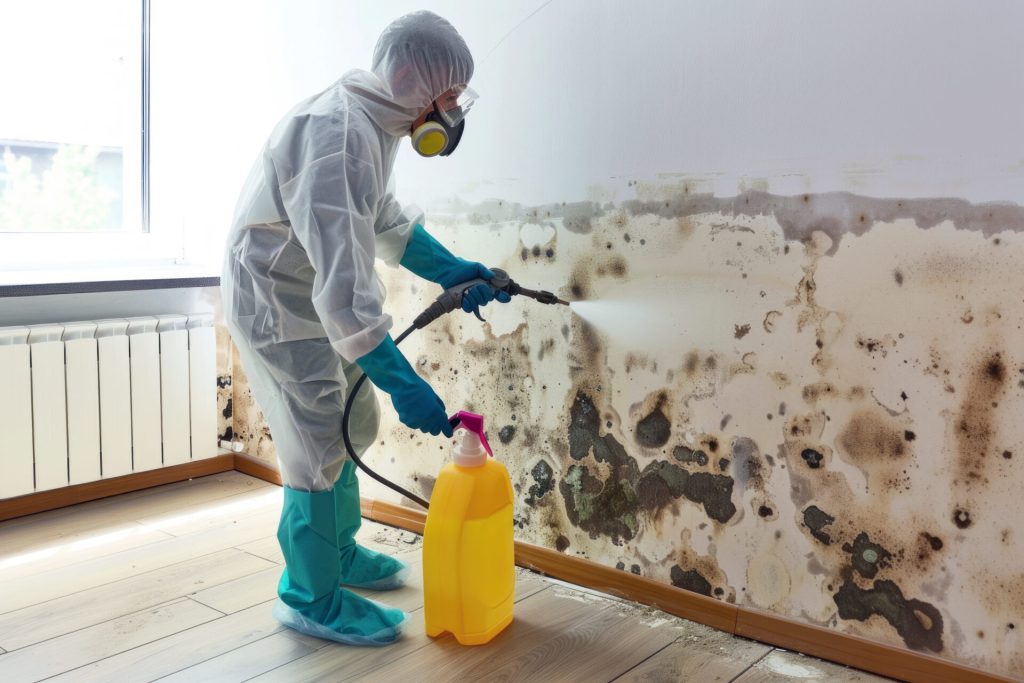
Mold can become a serious household concern when moisture remains in areas such as bathrooms, basements, kitchens, attics, or around leaking pipes. Although small amounts may sometimes appear harmless, visible mold can continue spreading when the underlying moisture problem is not addressed. Proper mold removal can help restore affected areas and prevent the problem from becoming more difficult to manage. For Lynchburg mold removal call First Action Systems.
Mold typically develops in damp environments where moisture and limited ventilation create favorable conditions for growth. Water leaks, flooding, condensation, roof problems, plumbing issues, and high indoor humidity can all contribute to moisture accumulation. Identifying the source of the moisture is therefore an important first step when dealing with mold.
A careful inspection can help determine where mold is located and whether moisture has affected areas that are not immediately visible. Mold may sometimes grow behind walls, underneath flooring, around ceilings, or inside other concealed spaces. A professional inspection can help identify affected areas and determine an appropriate remediation approach.
Mold removal should involve more than simply wiping visible growth from a surface. If moisture continues to enter the area, mold may return after cleaning. Addressing leaks, improving ventilation, drying wet materials, and controlling indoor humidity can help reduce conditions that support recurring growth.
Different building materials may require different treatment methods. Non-porous surfaces can sometimes be cleaned and treated, while porous materials that have been heavily affected may require specialized handling or replacement. Professionals can evaluate the condition of the material and determine the appropriate course of action.
Protecting unaffected areas is another important part of the process. During remediation, professionals may use containment methods to limit the movement of mold particles into other parts of a building. Proper equipment and work procedures can help keep the cleanup process organized and reduce unnecessary contamination of surrounding areas.
Homeowners should also pay attention to signs that may indicate a moisture or mold problem. Musty odors, visible discoloration, damp spots, recurring condensation, peeling materials, or unexplained water damage can all justify further inspection. Finding problems early can make remediation more manageable.
After cleanup, prevention should become a priority. Improving airflow in bathrooms and kitchens, repairing plumbing or roofing leaks, drying water-damaged areas promptly, and maintaining appropriate indoor humidity can help create a less favorable environment for mold growth. Regular inspections can also help identify new moisture problems before they become extensive.
Choosing a qualified service provider is important when the affected area is large, difficult to access, or connected to significant water damage. Homeowners can ask about the company’s experience, inspection process, remediation methods, safety procedures, and approach to preventing future growth. Clear communication can help property owners understand what work is needed and why.
Professional mold removal can be an important step toward restoring a clean and comfortable indoor environment. By identifying moisture sources, treating affected areas properly, protecting surrounding spaces, and taking preventive measures afterward, homeowners can address mold problems more effectively and maintain a healthier-looking property.



More Stories
Call Atlantis Plumbing, LLC. for Plumbing Services in Charlottesville