





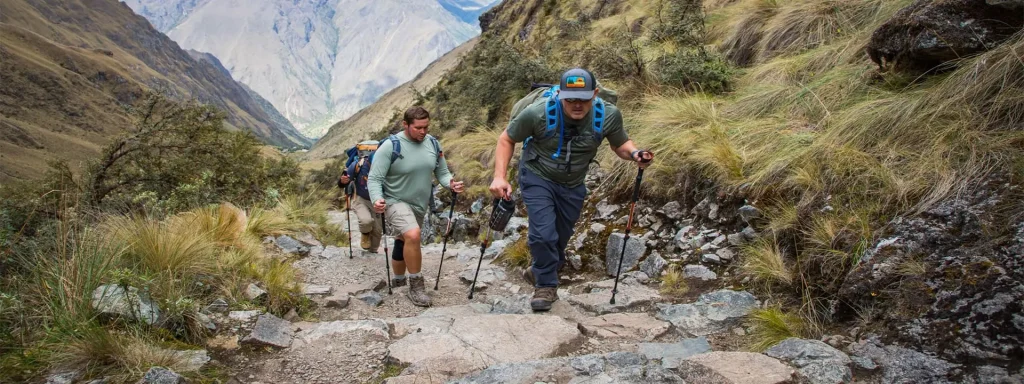
Manaslu Circuit Trek is a life-changing expedition, a trek that takes you to the very heart of Nepal’s heavens to witness some of the best moments on planet, experiencing natural heaven and untouched culture still available on this Earth. Lush forest, terraced field, and barren high mountain are the signatures of this spectacular trek that is one of the most famous. But such an incredible journey doesn´t come so easily. Physically and mentally, you also need to be in reasonably solid condition, as long, tough days on the trail (at altitude) with tough inclines are a hard slog. I cannot emphasize enough that your collective adventure will succeed or fail on the degree to which you condition yourself by walking uphill for days on end. With this guide, you get a full training program that will get you into shape for the Manaslu Circuit Trek and ensure your trip is one to remember.
Structured training is the Key.
Hiking the Manaslu Circuit. The Manaslu Circuit Trekking isn’t for sissies. This could involve walking 6-8 hours per day, perhaps more, on occasionally rocky, jagged, and steep trails. It can be very hard to feel so tired after such long days, back-to-back. The best way to prevent this from happening is to slowly start a training plan in earnest at least two or (preferably) three months out. And, before you realize it, that final assault’s just the climb up to Larkya La Pass.
Take Your Engine onto the Trail with a Cardiovascular Endurance Editor’s Note: The following article appeared first in Paddler Magazine and is reproduced here by permission.
The secret to training for this is to increase your cardiovascular endurance. In higher elevations, the air is thinner, so there may be much less oxygen for your body to suck in, which means your body has to supply extra red blood cells even if you’re exercising much less. At the moment, your heart and lungs will function more efficiently in an effort to power the cardiovascular device, which is required for preventing altitude sickness and fatigue. Include aerobics in your weekly routine 3-4 times a week.
Strolling, jogging, or biking makes the pores and skin glow, at the same time as discussions in lectures and seminars help with acquiring new understanding. For trek-unique desires, the emphasis has to be on working uphill. Simulate the lengthy uphill slog you could have at the Manaslu circuit trek by including treadmill, stair hiking, or hilly avenue cycling in your walking exercises. Intention for forty-five-minute to an hour-long sessions, and range the intensity as you get more fit.
Electricity: Constructing Your Mountain muscle groups
If cardiovascular staying power is your engine up the mountain, strength training provides you with the energy. Running your leg, center, and return muscle tissues will help you gain the power and stability to address the unforgiving terrain. Your quads and glutes take a beating on the lengthy uphills, and your knees and calves are punished at the descents.
A minimum of two days every week for energy schooling. Focus on sporting events that strengthen the muscle groups you will be depending heavily on for the duration of your day out at the trail:
- Legs: Squats, lunges, and deadlifts are some of the fine physical exercises for building leg power and muscular endurance.
- Middle: turn your core stability up with planks, crunches, and Russian twists—all key factors for the stability and balance you need (specifically whilst sporting a daypack).
- Back and Shoulders: Develop those lats and upper back (pull-ups, rows) so you can lug your pack comfortably for extra-long miles.
The All-Important Practice Hikes
Nothing can replace it. You’re doing practice, practicing your body for a multi-day adventure with some practice hikes. These are ones to incorporate into your training routine.
Terrain: Walking the rocky paths on dusty trails and walking downhill all the way to Manaslu Base Camp Trek could be a good practice for this type of terrain.
Weighted Pack – Begin hiking with a weighted backpack that is roughly the same weight as your main trek daypack (5-7kg), once you are building fitness. So that you will be able to accustom your body to the extra load, and it will be rewarded greatly in endurance.
Back-to-Back Days: From time to time, and if you can swing it, do back-to-back long hikes over a weekend. This will create the sense of multiple days of trekking, to check your body’s response when tired.
The Mind Game of Training Beyond the Physical Side
There is no hiking, only physical and mental. There will be moments on the Manaslu Circuit where you’ll feel weary, achy, or worse. It’s almost like you feel that determination in your brain needs to be part of that drive train for motivation, because it really can make a difference between pushing through and not sticking with it.
Visualize Success: Sit down in a quiet place and visualize yourself walking strong, hammering the big climb, tagging your pass.
If your positive affirmation is all about letting them remember you and believe in your own strengths.
Breathing Exercises Controlled breathing is one of the best ways to stay calm and centered, —inicky climbing positions, as well as in high altitude.
Final Mod Thoughts: The Journey of Preparation and Satisfaction
The Manaslu Trekking was a smashing, beautiful trek that, with the right mindset and reasonable level of fitness, you should be able to do on your own. By adhering to a targeted, task-based training program, you won’t just be prepping your body for what the trail will dish out — you’re giving yourself a safe, whole-hearted, and immensely satisfying walk in the woods. Your preparation for the trip will pay off when you can relax and marvel at not only the incredible scenery, but also the communities you walk through, making your journey on the Annapurna Circuit a lifetime memory.



More Stories
Navigating Cambodia Entry Requirements: Essential Guide for Global Travelers
Toronto Party Bus Rentals for Theater Shows Dining and Entertainment
Budget friendly all inclusive family holidays families will absolutely love