





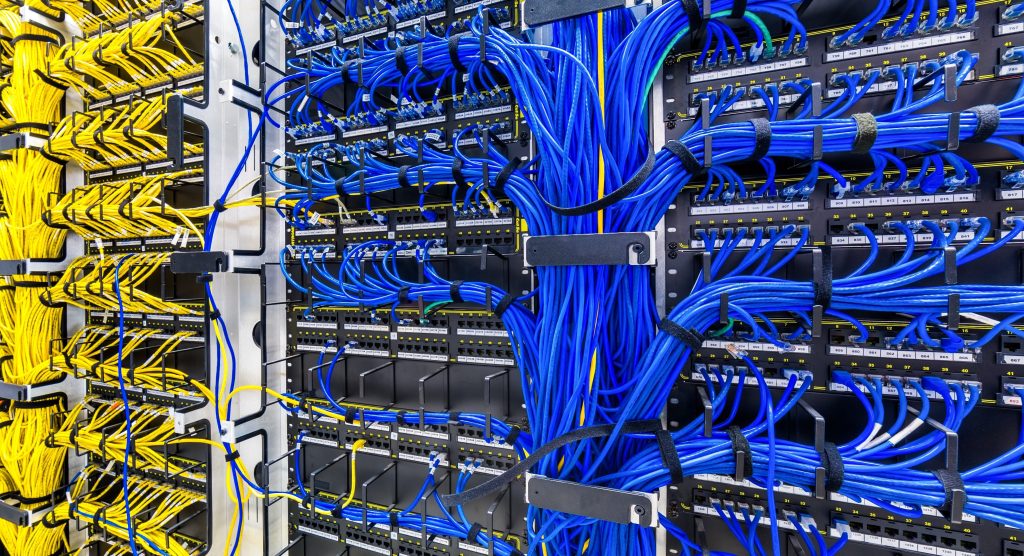
Network cabling is an essential part of modern business and home connectivity. Computers, phones, security systems, wireless access points, servers, and other devices all depend on a stable network infrastructure. Proper cabling can improve reliability, organization, and overall network performance.
One of the first considerations in a network cabling project is choosing the right cable type. Ethernet cables such as Cat5e, Cat6, and Cat6A are commonly used for different networking requirements. The appropriate choice depends on factors such as network speed, distance, environment, and future expansion plans.
Professional installation can also help prevent common problems. Poorly terminated connectors, excessive cable bends, damaged insulation, and improper routing can affect network performance. Experienced technicians can install and organize cables carefully while following appropriate installation practices.
Cable organization is particularly important in offices and larger buildings. Unorganized wiring can make troubleshooting and maintenance more difficult. Properly labeled cables, organized racks, and structured pathways can make it easier to identify connections and perform future upgrades.
Network cabling should also be planned with future needs in mind. Businesses may add computers, phones, cameras, wireless access points, or other connected devices over time. Installing adequate cabling infrastructure during the initial project can reduce the need for expensive modifications later.
Testing is another important part of professional network installation. After cables are installed, technicians can test connections to identify wiring problems, signal issues, or faulty terminations. Proper testing helps ensure that the network performs as expected before the system is put into regular use.
Businesses should also consider the physical environment where cables will be installed. Office ceilings, walls, server rooms, warehouses, and outdoor areas may have different requirements. Cabling should be routed safely and protected from unnecessary damage or interference.
When hiring a network cabling contractor, consider experience, installation quality, testing procedures, documentation, and customer service. A detailed project plan can clarify the cable types, installation areas, equipment requirements, and expected completion time.
A professionally installed network cabling system provides a dependable foundation for digital communication. By selecting appropriate cables, using organized installation methods, testing connections, and planning for future growth, businesses and property owners can create a network infrastructure that remains reliable and easier to maintain.




More Stories
Using Ipe RainScreen Siding to Create a Contemporary Patio Exterior
DVR and NVR Data Recovery: How Long Is CCTV Footage Really Stored?
Why Metal Recycling Matters for a Cleaner Future