





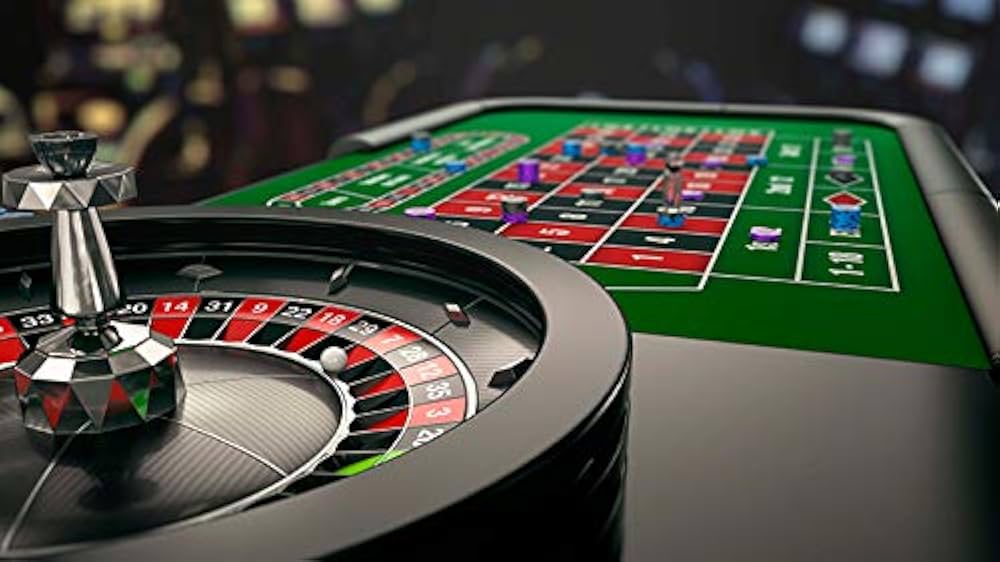
As we progress through 2026, the global slot market is projected to reach approximately $12.53 billion, driven by a blend of hardware innovation and a fundamental shift in how players interact with digital content. For developers and operators, staying ahead of the “slot” curve means moving beyond traditional reels and embracing a suite of emerging technologies.
1. The Skill-Based Hybrid Era
One of the most disruptive trends in 2026 is the convergence of traditional chance-based mechanics with skill-based gameplay. Younger demographics are increasingly moving away from purely random outcomes, favoring “Crash games” and titles that offer a sense of agency.
- Logic-Driven Bonuses: Modern slots now incorporate mini-games inspired by popular mobile titles (e.g., matching puzzles or speed racers).
- Control Elements: Players can often influence the volatility of a session by choosing different “paths” or character classes, each with unique mathematical profiles.
2. WebXR and AR: Beyond the Screen
Immersion is no longer limited to high-end VR headsets. The rise of WebXR and Augmented Reality (AR) allows players to bring the slot experience into their physical environment via smartphones or AR glasses.
- Virtual Floor Twins: Players can explore 3D “digital twins” of famous casinos, walking up to virtual machines that mirror their real-world counterparts.
- AR Wayfinding: In land-based integrated resorts, AR overlays guide players to specific “hot” machines or show seats, blending digital utility with physical gaming.
3. Blockchain, NFTs, and “Provably Fair” Systems
Transparency has become a non-negotiable standard. With Provably Fair technology, players use cryptographic hashes to verify that the result of every spin was truly random and untampered.
- NFT-Based Gamification: Developers are integrating NFTs as rewards for unlocking exclusive achievements or VIP tournaments. These digital assets can often be traded or used across multiple different game platforms, creating a “cross-game” economy.
- Instant Crypto Payouts: Utilizing Bitcoin, ETH, and USDT, modern platforms are reducing withdrawal times from days to mere minutes, significantly improving the user experience.
4. AI-Driven Personalization and Safety
AI is no longer just a backend tool; it is a front-facing feature that personalizes every aspect of the journey.
- Predictive Journey Orchestration: AI agents analyze play history to suggest the right time for a bonus or a cashback reward, reducing “churn” and keeping engagement high.
- Real-Time Responsible Gaming: Sophisticated AI monitors patterns for signs of irregular activity. If it detects risky behavior, it can automatically trigger “reality checks,” set mandatory limits, or offer support resources, ensuring a sustainable gaming environment.
5. Mobile-First and Vertical UX
With 96% of the global digital population accessing the internet via mobile, the Vertical Design philosophy is dominant.
- One-Handed Navigation: Buttons are placed within “thumb-reach” patterns, and gestures like swiping are used to trigger spins or navigate menus.
- Fast-Loading PWAs: Progressive Web Apps (PWAs) ensure that games load instantly, even in bandwidth-sensitive markets like India or Africa, ensuring that the “slot” experience is accessible to everyone, everywhere.
Conclusion: A Data-Driven Destiny
The slot machine of 2026 is a sophisticated piece of financial technology, entertainment, and data science. By integrating AI, blockchain, and immersive AR, the industry has transformed a simple game of chance into a complex, transparent, and highly personalized digital ecosystem. As these technologies continue to mature, the focus will remain on balancing high-speed excitement with ethical, player-centric design.




More Stories
Online Security Practices for Visitors Exploring Hargatoto
WDTOTO DAFTAR: Complete Registration Guide for New Users
Understanding Online Navigation Through Hargatoto